A baby gift does not need to be complicated. A few soft things wrapped well say more than a pile of items. When you are standing in front of a shelf of tiny clothes, it is easy to want to buy everything. Resist that. A single thoughtful choice, given with care, is usually remembered longer than a large bag of things.
Start by choosing one main piece, such as a romper or a swaddle, and build around it. The main piece sets the tone for everything else. Once you have it, the rest of the gift becomes a matter of small decisions: what color goes alongside, what might sit next to it, and how to wrap it all together without fuss.
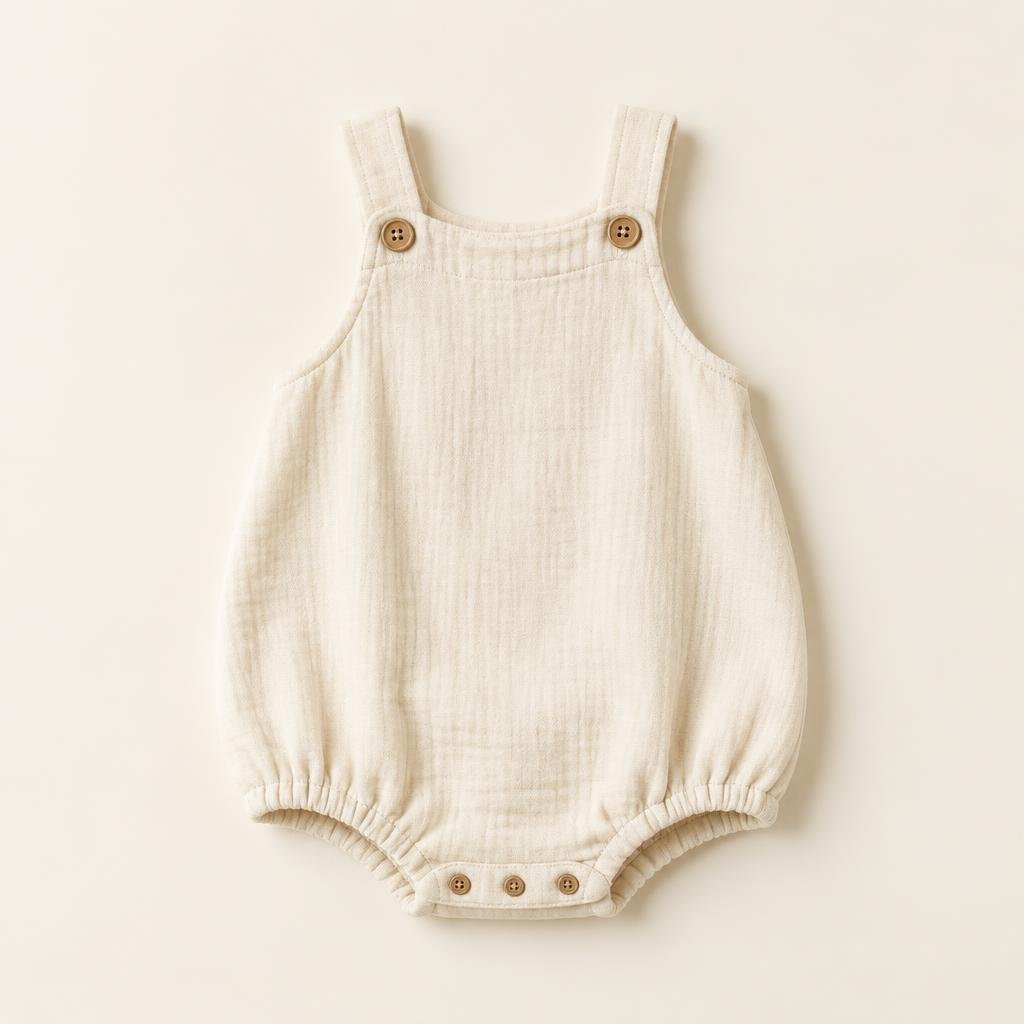
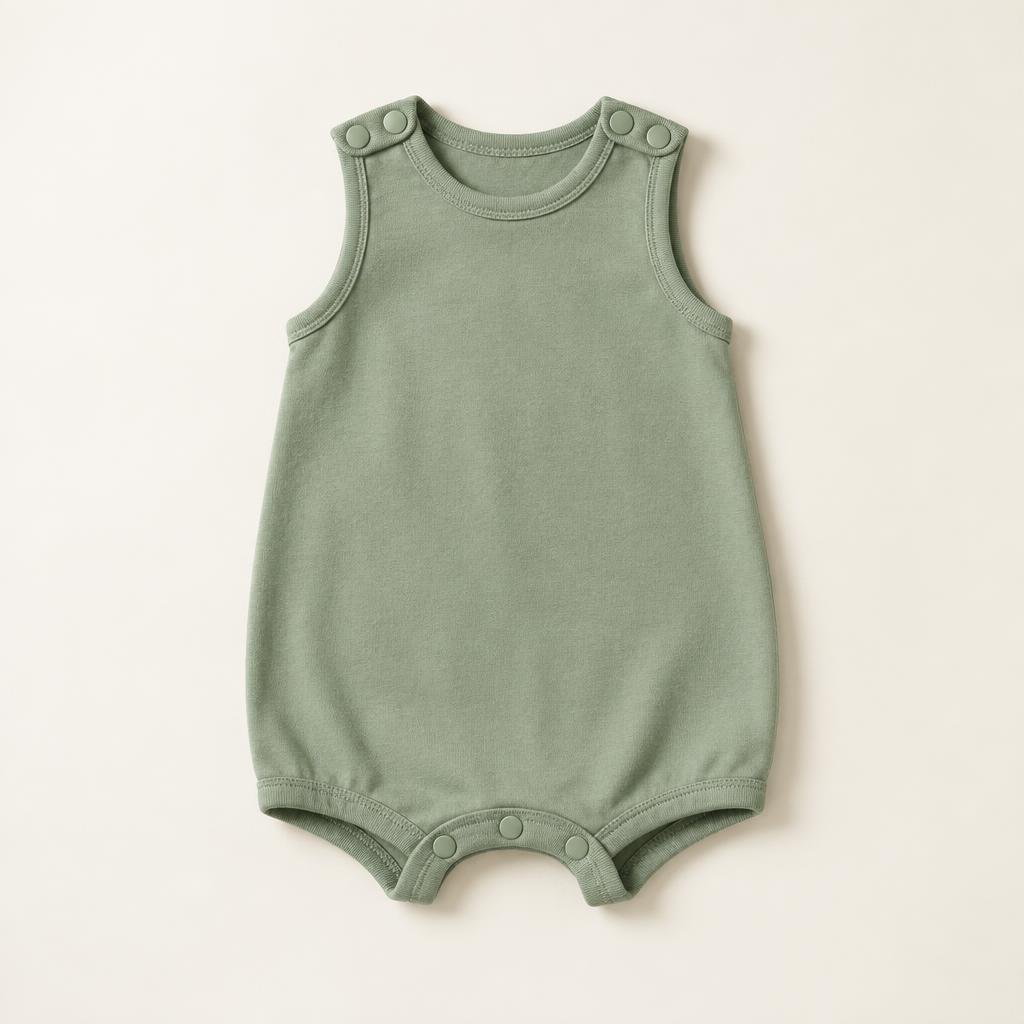
A romper is a good anchor because it is simple and gets worn often. Look for snaps or buttons that are easy to manage, a neckline that stretches or opens wide, and seams that sit flat. A swaddle blanket is another strong choice, since it is useful from the first days and keeps being useful as a light blanket later.
Whichever you choose, check the fabric by touch. Cotton that feels soft in the shop will usually grow softer with washing. Hold it up and look at the stitching along the seams and hems. Even stitching and tidy finishing are signs that a piece will hold up through many washes, which matters when a baby goes through several outfits in a single day.
Picking Size and Color
Think about size when you pick clothing. Newborn items are worn for a short time, so many people choose a size up so the gift can be used for longer. A parent will usually be glad of something that fits in a few months, when everything else has been outgrown. It is a practical kindness that rarely needs explaining.
Sizing on baby clothes is not always consistent, and labels based on months are only a rough guide. Babies grow at very different rates, so a piece marked for three to six months might fit at two months or at seven. Roomier cuts, folded cuffs and stretchy necklines give a garment more working life, which is worth keeping in mind.
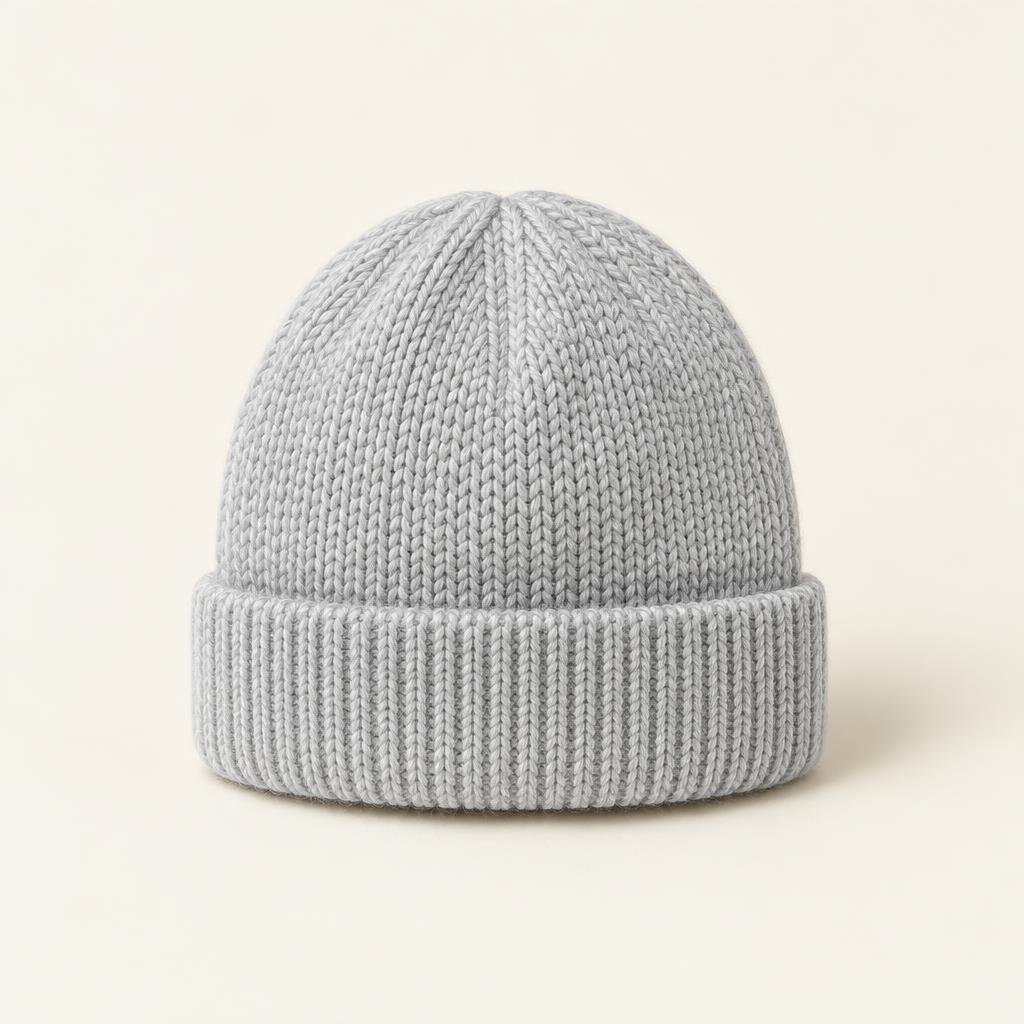
Natural colors make gifting easier. Sage, cream and soft gray suit any baby and any nursery, so you do not have to guess at taste. They also work well together if you want to give a small set. Nobody has to worry that a color clashes with what they already own or with a plan they have in mind.
Plant-based dyes tend to give gentle, muted shades rather than bright, saturated ones, which is part of why the colors feel calm together. Colors from natural sources can shift slightly over time and with washing, softening rather than turning harsh. That is a quiet characteristic of the process, and it suits clothes meant to be worn, washed and handed along.
Fabric Instead of Paper
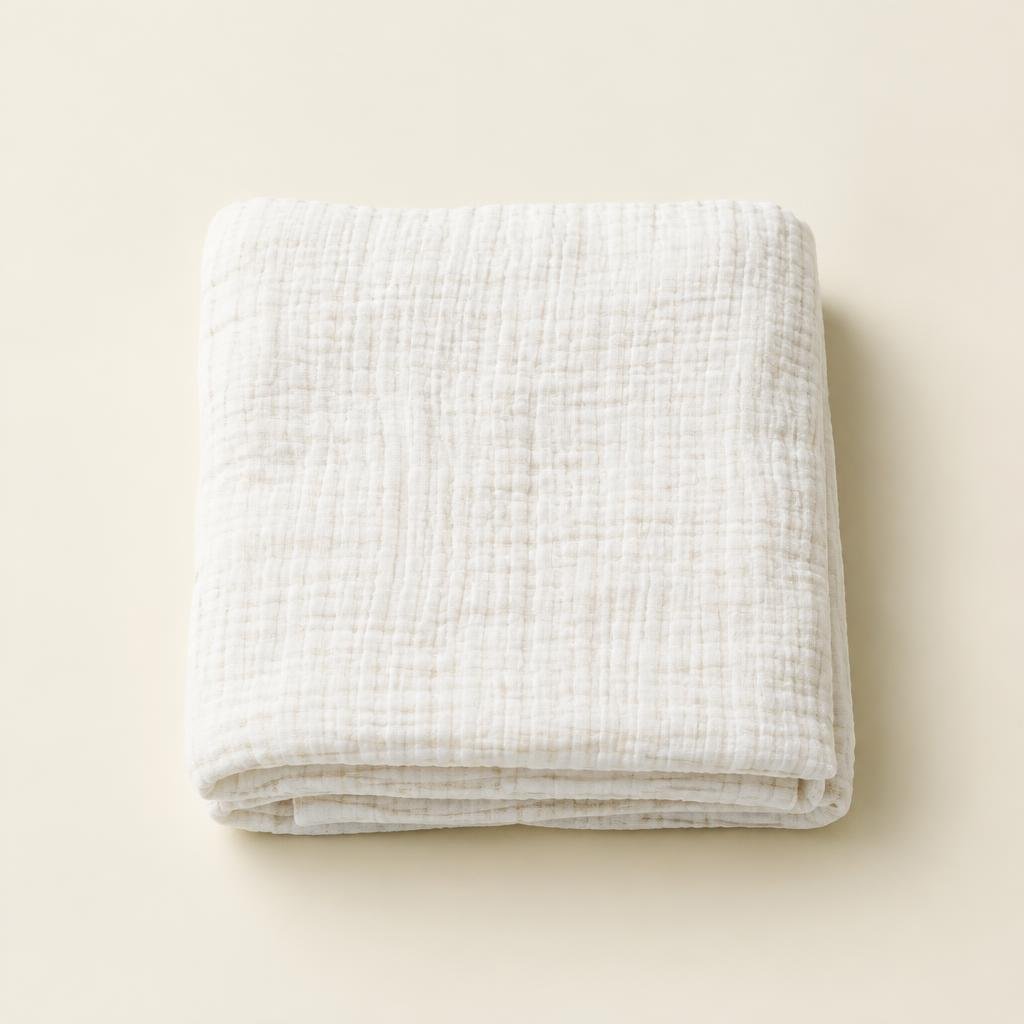
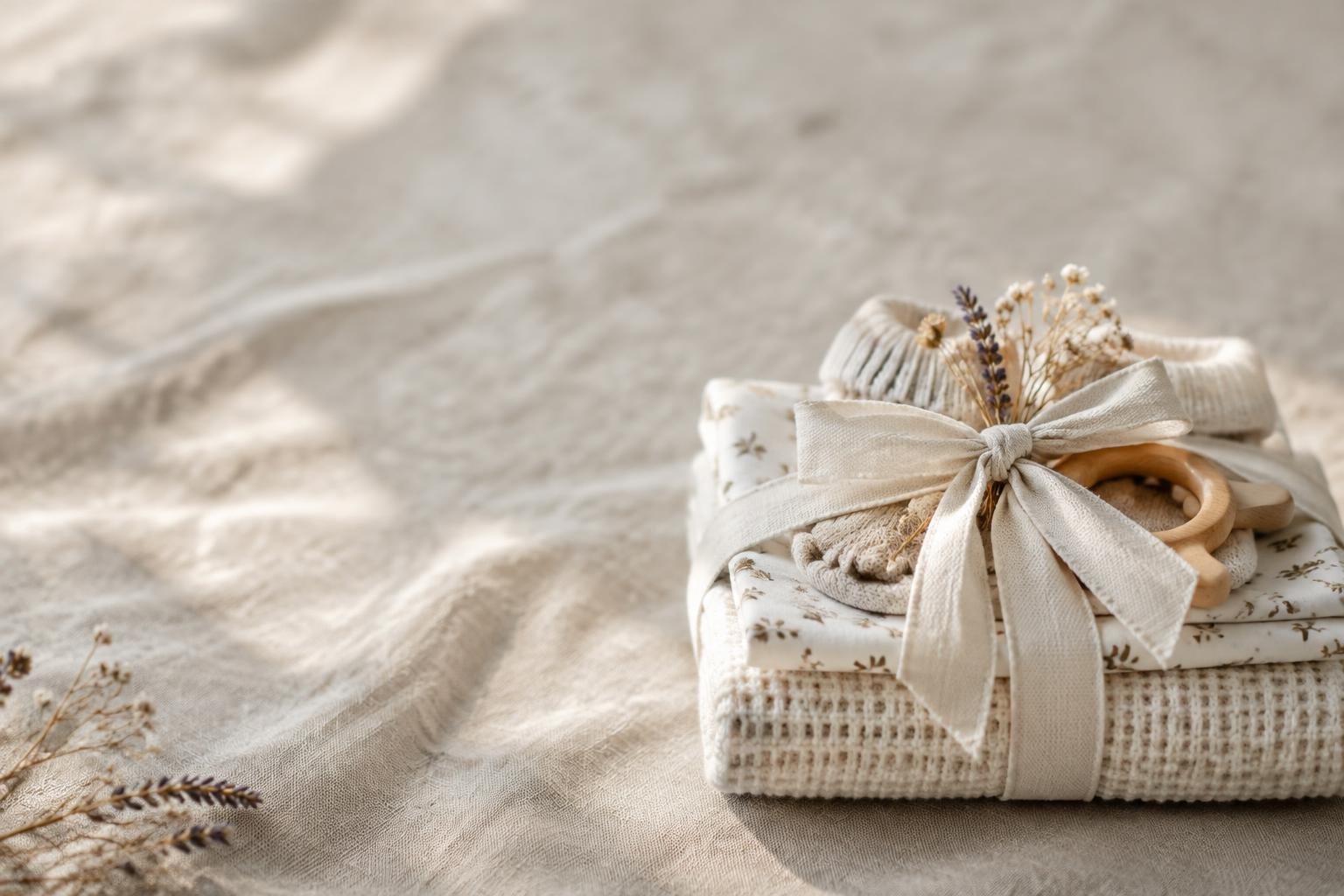
For wrapping, fabric can replace paper. A muslin blanket folded around a gift and tied with cotton ribbon becomes part of the present, and the parent can use it afterward. Paper is torn off and thrown away within seconds, while a cloth wrap goes straight into the nursery as a burp cloth, a stroller cover or a lightweight blanket.
To wrap this way, lay the blanket flat on a table in a diamond shape and set the gift in the middle. Fold the bottom corner up over the gift, bring in the two side corners, and then roll or fold the top down. Tie it snugly with ribbon, and adjust until the bundle sits neatly.
Cotton ribbon or plain twill tape is better than shiny synthetic ribbon here, because it holds a knot without slipping and softens with use. A sprig of dried flowers tucked under the ribbon adds a quiet finishing touch. Choose something that dries well, such as lavender or wheat stalks, and keep it small so the bundle stays simple.
A common mistake is overfilling the wrap. If the bundle is too bulky, the fabric strains and the knot works loose. Keep to one main piece and a couple of small items. A tidy, modest bundle looks more considered than a bursting one, and it is far easier for the parent to carry home and unwrap.
Extras, a Note, and Afterward
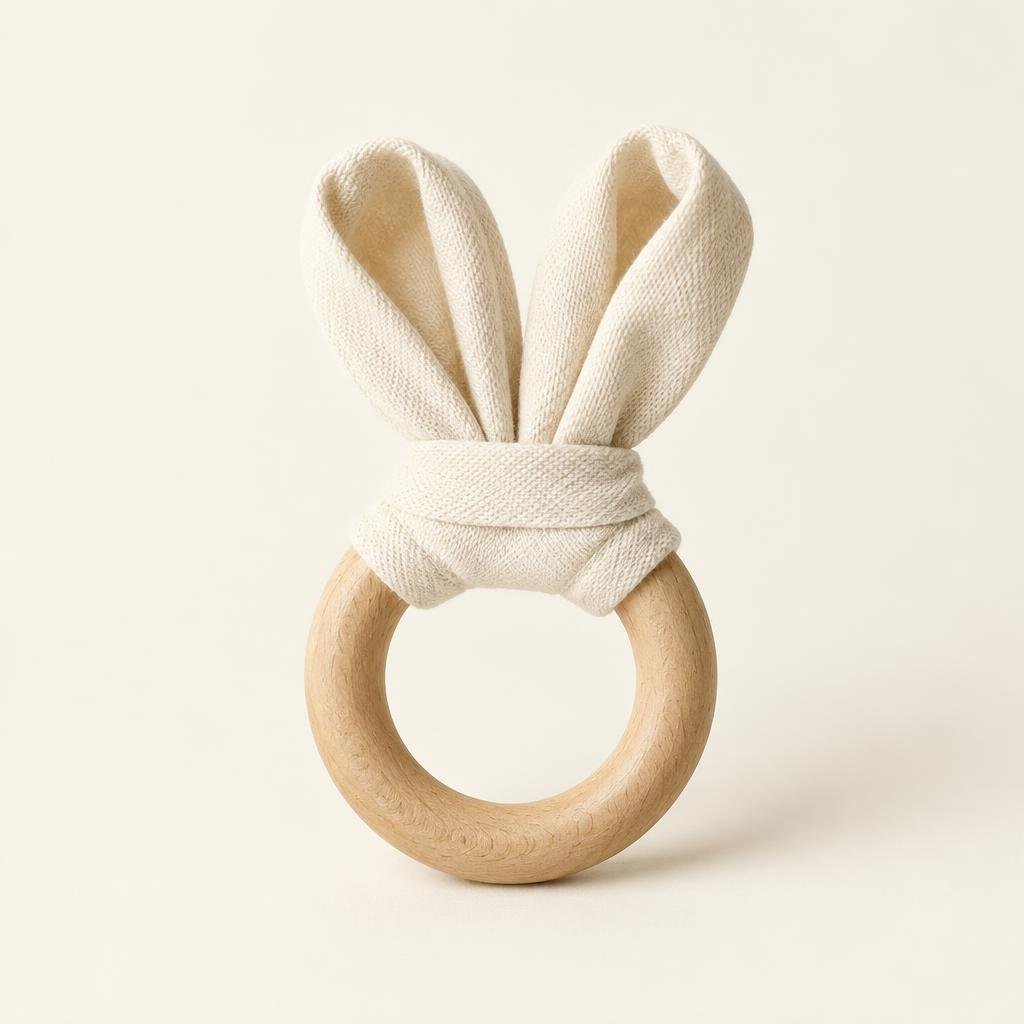
Small extras are nice companions to a larger piece. A teething ring, a hairbrush with a wooden handle or a drawstring bag can sit alongside clothing and make a gift feel complete. Choose things that are useful rather than decorative. A parent will reach for a brush or a bag every day, whereas an ornament tends to end up on a shelf.
A handwritten note makes any gift feel personal. Keep it short and warm, and tuck it in with the ribbon. You do not need clever words. A line about how glad you are for the family, or a wish for the first weeks, is plenty. People tend to keep the card long after the wrapping is gone.
Finally, think about what the gift will do after the day is over. Pieces made from organic cotton can be washed often and passed on, so the present keeps going for another child. Cotton is a sturdy fiber that tolerates frequent laundering, and it usually gets softer rather than rougher, which is what makes hand-me-downs pleasant.
To help a piece last, wash it with a gentle detergent in a regular cycle, avoid harsh bleach, and dry it without too much heat so the fabric keeps its shape. Store outgrown items folded in a dry place. That is a good measure of a thoughtful baby gift: it is still being used long after the party.