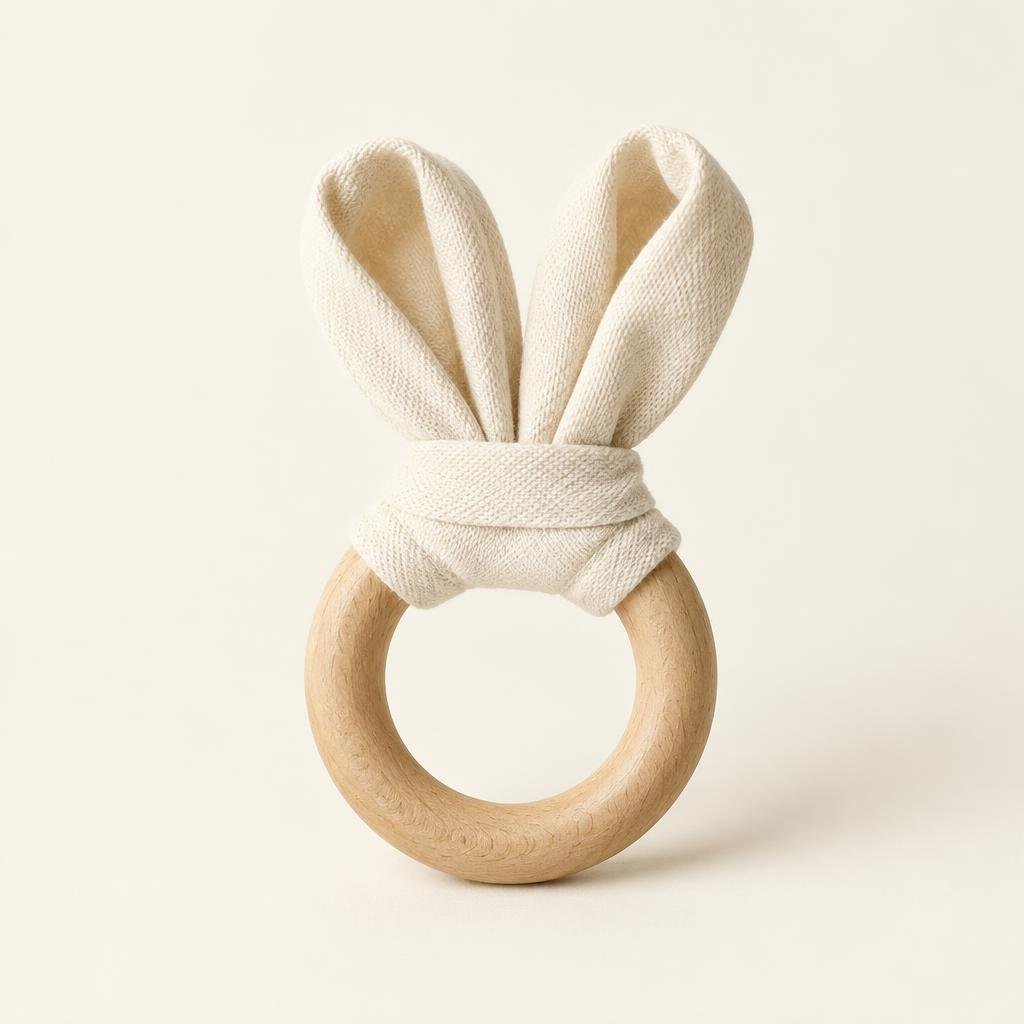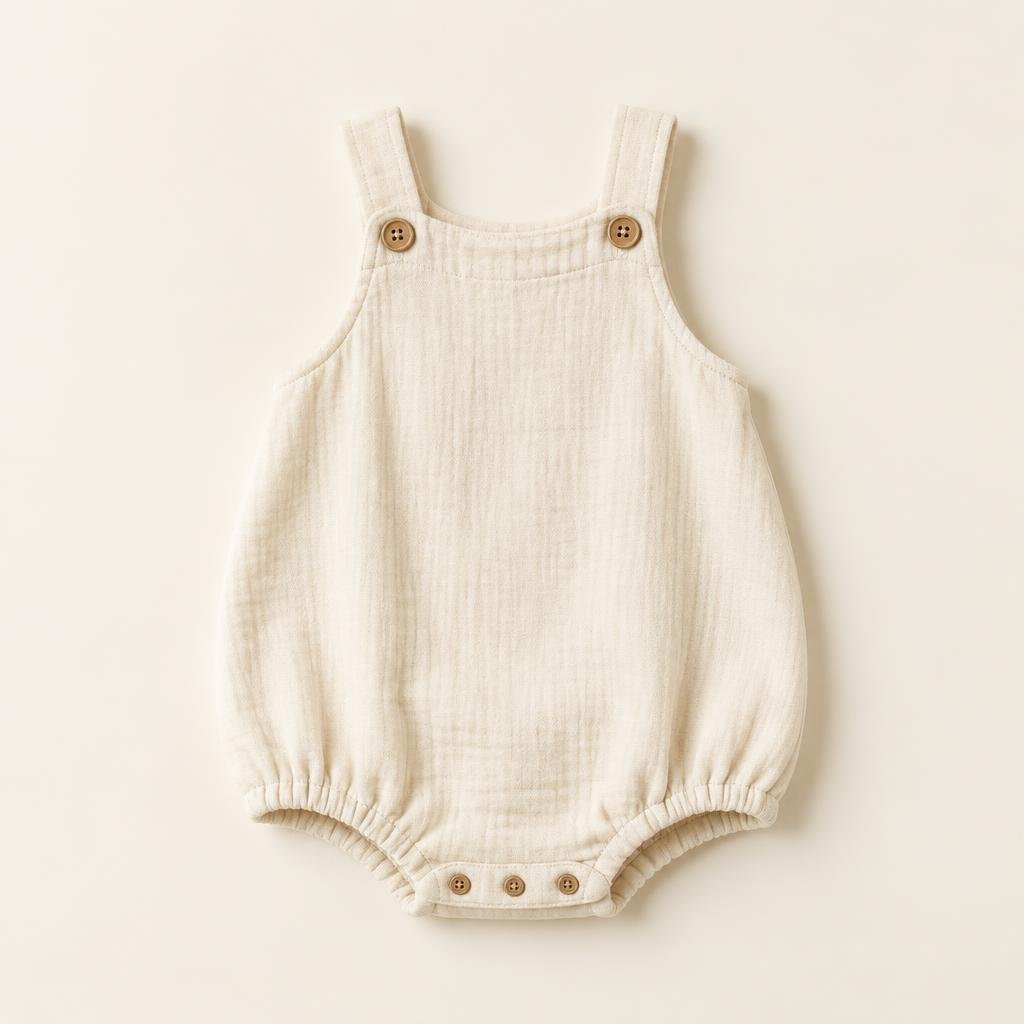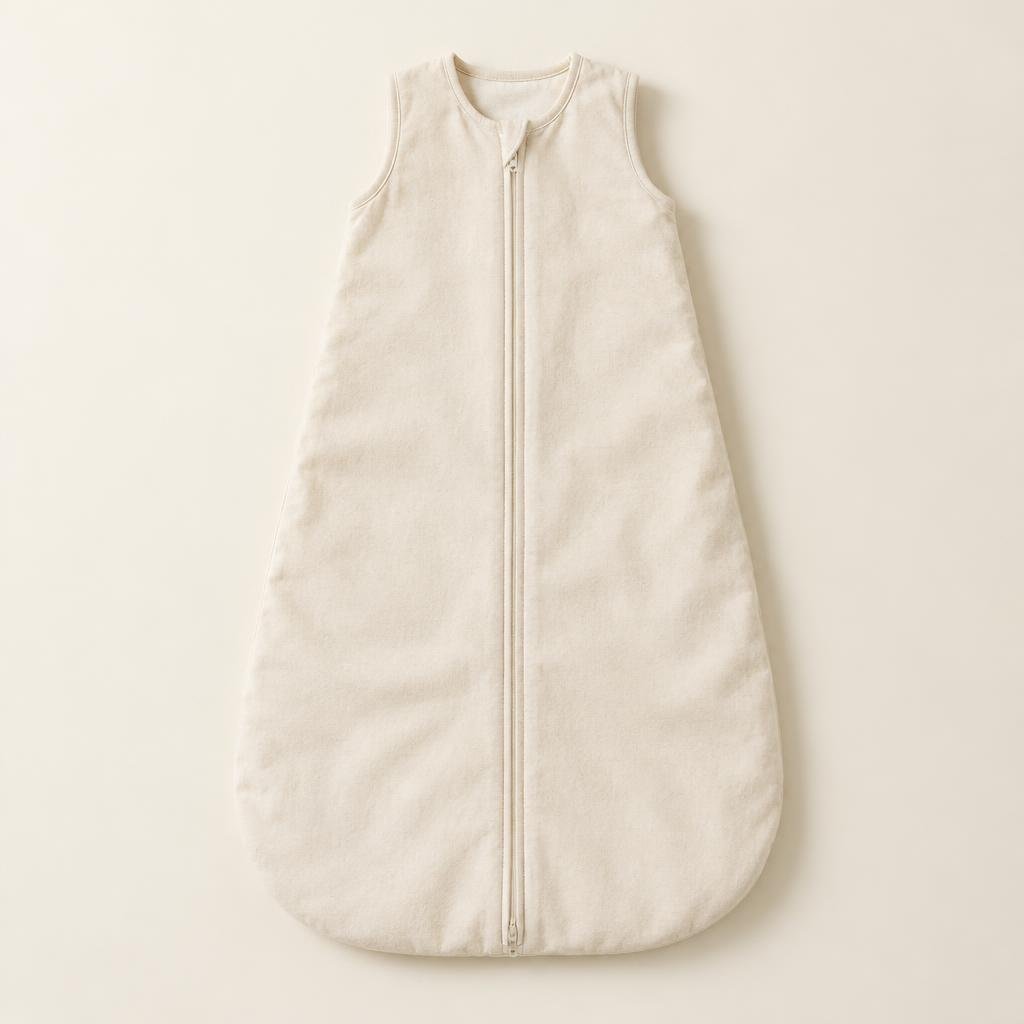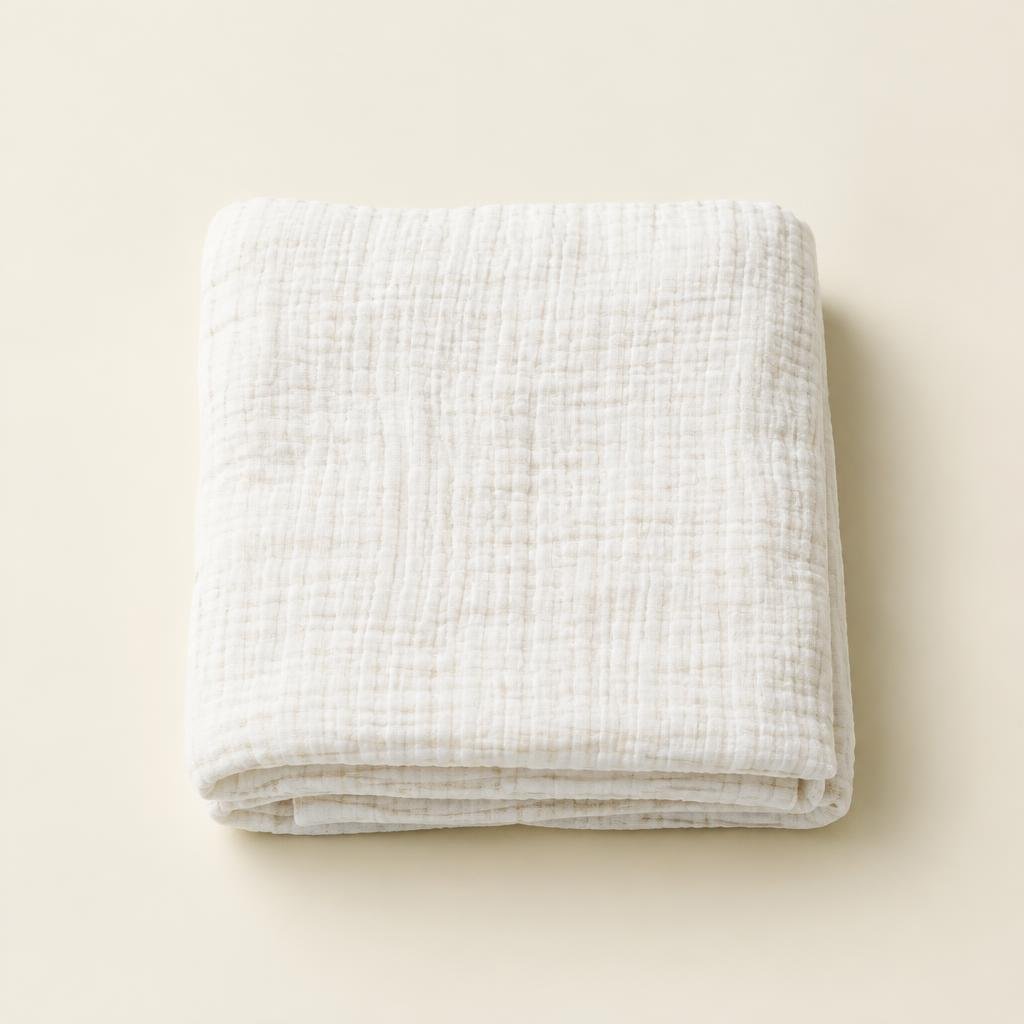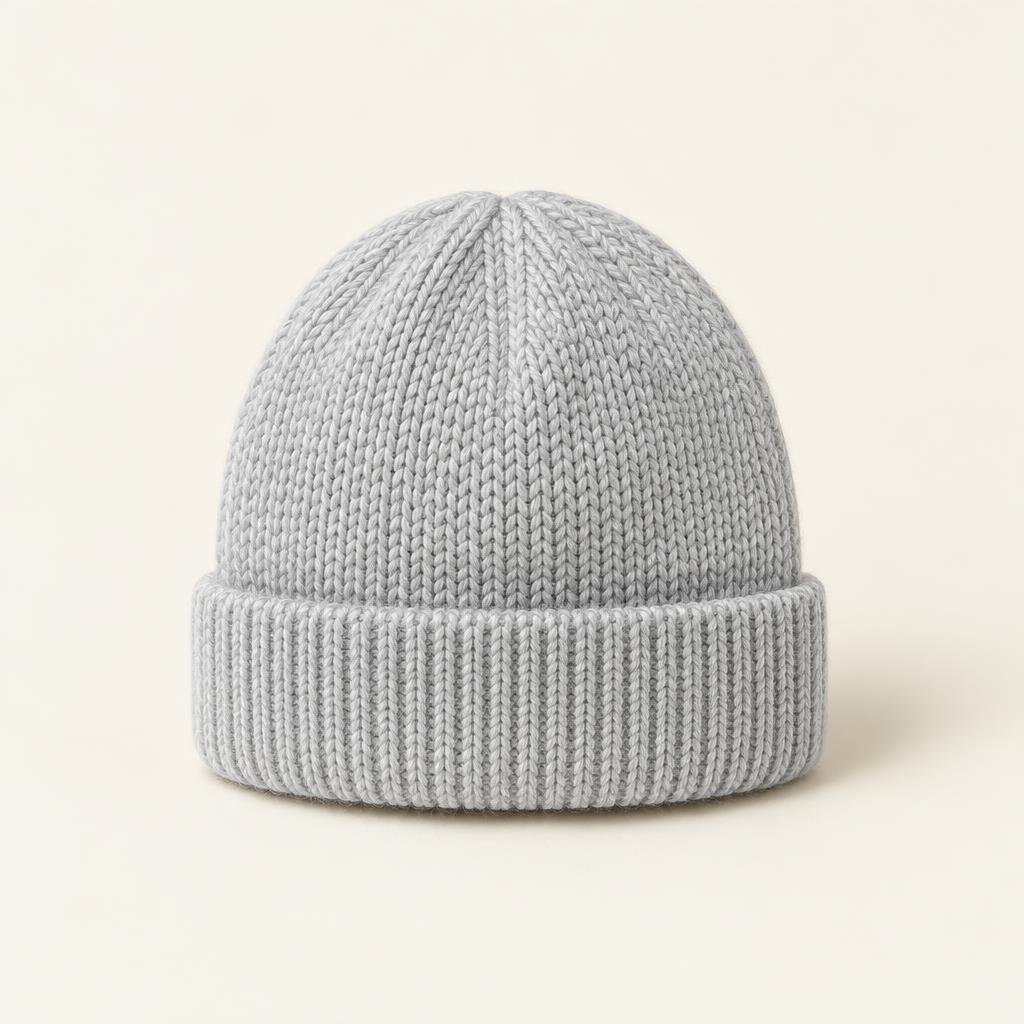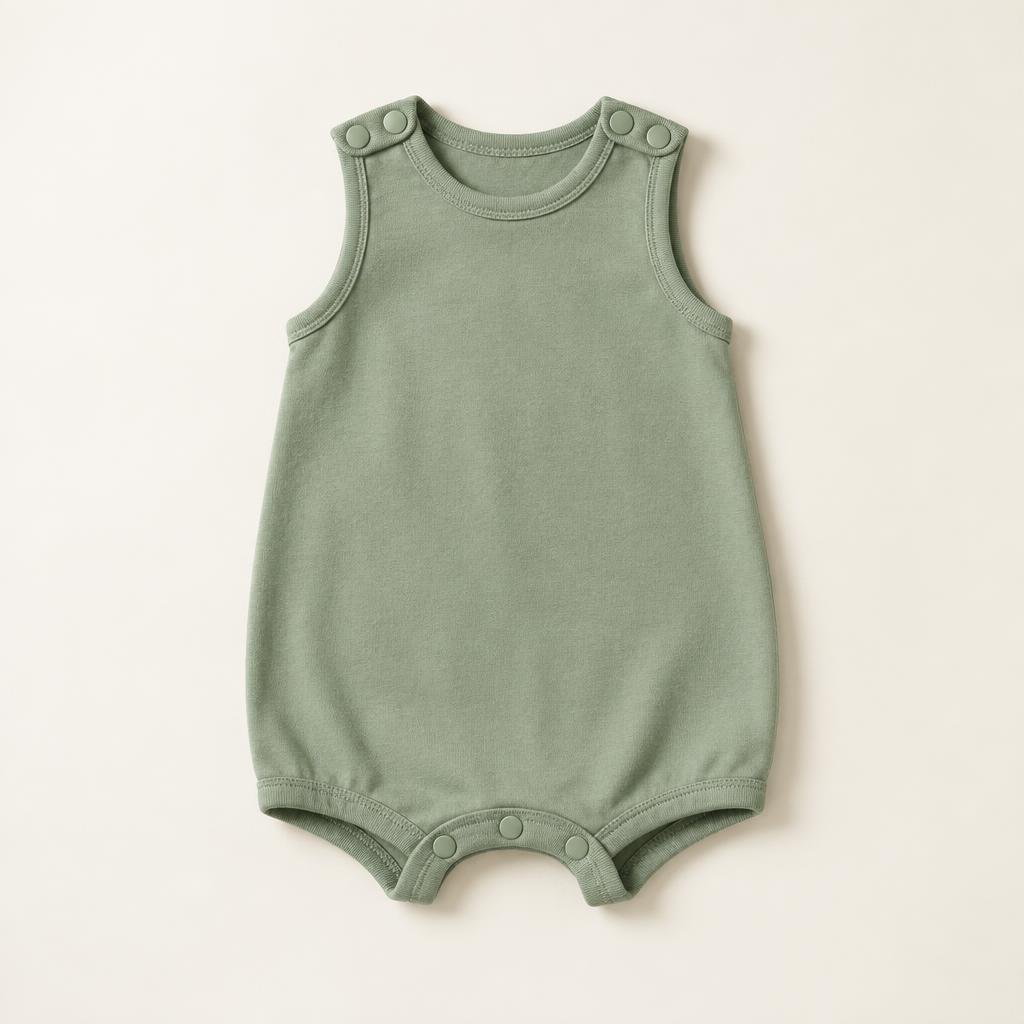
Baby clothes get washed more than almost anything else in a house, so the fabric matters more than the label. Organic cotton is a good place to start because it is soft against skin and tends to hold up to frequent laundering. Look at the stitching at the seams and around the snaps, since those are the places that wear first.
It helps to know why cotton behaves this way. Cotton fibers are fairly strong, and they actually hold together well when wet. A fabric made from longer fibers, spun into an even yarn, feels smoother and resists pilling. Pilling is those small balls that form on a surface, and it is a common sign of a fabric that will look tired quickly.
When you pick up a piece, give it a gentle test. Hold the fabric up to the light and see how dense the weave or knit looks. Stretch a seam slightly and watch whether the thread stays tight. A garment that feels a little substantial in your hands will usually survive far more washes than one that feels thin and loose.
Fit, Shape and Room to Grow
Fit is the next thing to think about. Babies grow quickly, and a romper that is sized with a little room will be worn for longer than one cut close to the body. Simple shapes also stretch the useful life of a piece, because they suit any child regardless of season or fashion.
A common mistake is buying only the size a baby is wearing today. By the time the clothes arrive and are washed once or twice, the child may already be in between sizes. Choosing a size up for some pieces means you always have something that fits, and a cuff can be folded back for the time being.
Look at how a garment is cut around the neck and legs. A wide neck opening or a envelope shoulder lets you ease clothes on and off without pulling. Soft, flat seams sit better against skin than raised ones. Small details like these decide whether a piece gets worn all the way through its size or gets left in the drawer.
Closures deserve attention. Snaps at the shoulders and legs make changing quicker and let you get a garment over a head without a struggle. Wooden buttons look lovely, but check that they are sewn firmly and that you are happy with how they feel when you handle them.
Color, Layers and a Small Wardrobe
Color affects how well clothes can be handed down. Soft, natural shades like sage, cream and grey go with almost everything, so pieces mix easily and look right on the next baby too. Bright prints tend to say a particular year, while muted tones do not.
Plant-based dyes tend to give gentler, earthier shades than strong synthetic ones. Those shades can soften slightly over many washes, and that is part of their charm. If you want colors to stay as they are for longer, wash dark and light pieces separately and keep clothes out of strong direct sun when they dry.
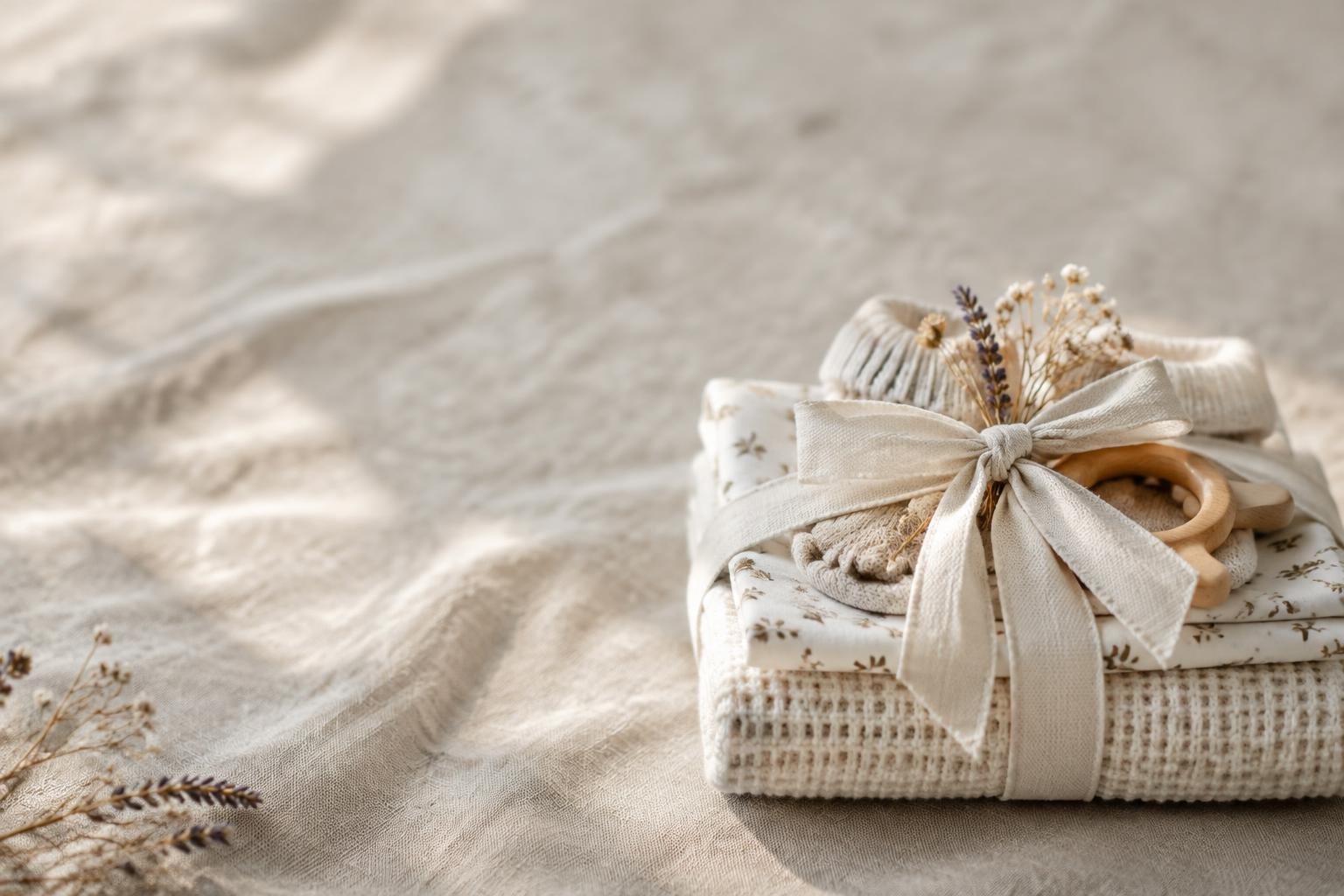
Think about layering as well. A romper, a knitted beanie and a swaddle can be combined in many ways, so a small set of pieces covers a lot of days. Buying fewer, better things usually works out simpler than a drawer full of one-offs.
When you build a small set, choose pieces that work together as layers. A snug base layer, a roomier romper over it, and a blanket or hat on top will handle a change in the weather. Because each item can stand alone or join the others, you wash less variety and you always know what goes with what.
Washing and Storing for the Next Child
Washing makes a big difference to how long clothes last. Follow the care label, wash with a gentle detergent, and avoid harsh stain treatments that can wear on cotton fibers. Turning garments inside out helps protect snaps and surfaces.
Treat stains early and simply. Rinsing a spot soon after it happens, before it sets, usually does more than any strong product later on. Too much detergent is another common mistake, because leftover residue can leave fabric feeling stiff. A little less soap and a full rinse keep cotton softer for longer.
Drying matters too. High heat can shrink cotton and wear the fibers, while air drying is gentler on both the fabric and the snaps. If you do use a dryer, a lower setting is kinder. Pulling pieces out while they are just dry, rather than leaving them to bake, keeps their shape for the child who wears them next.
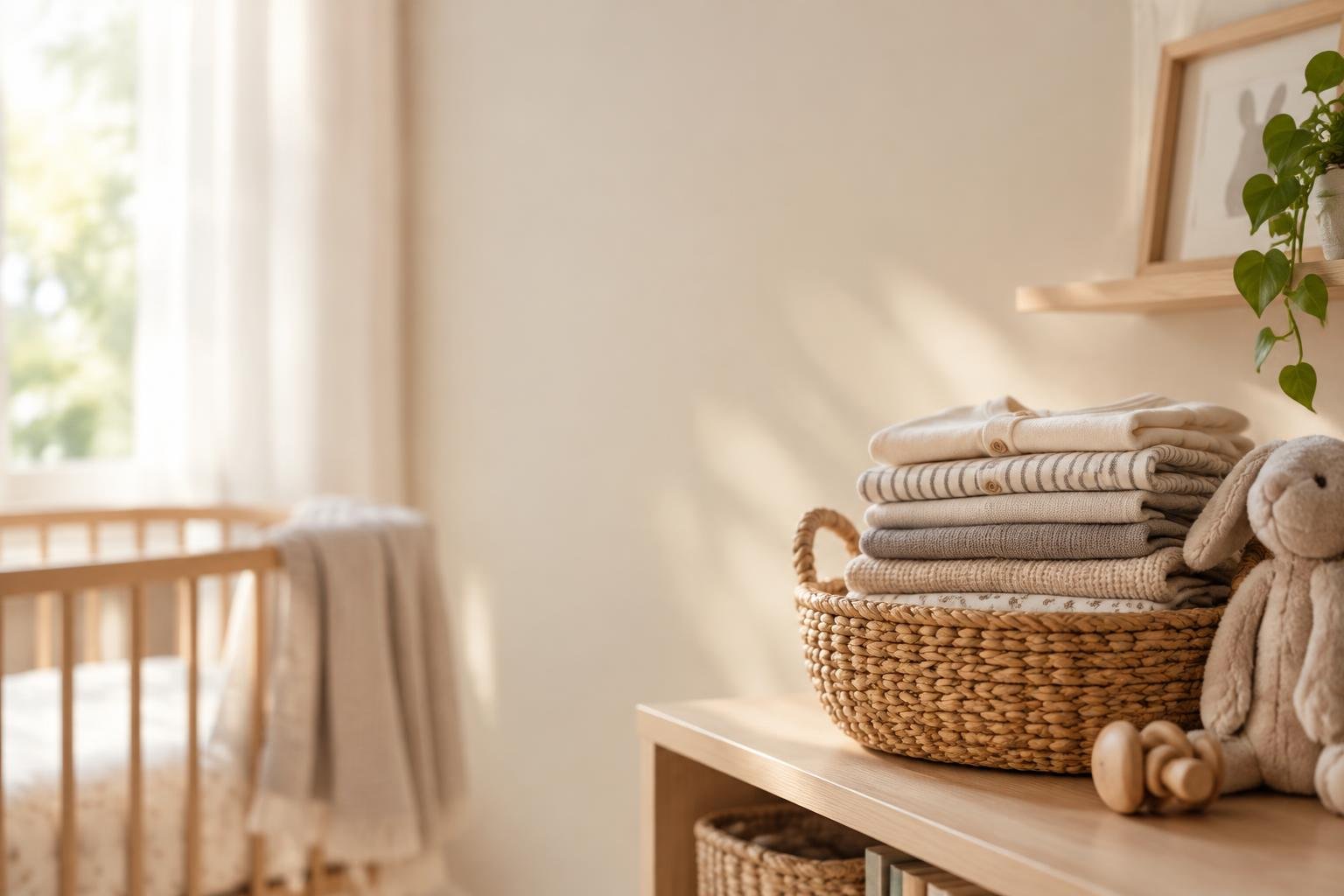
When clothes are finished with, fold them and store them somewhere dry so they are ready for the next child. Cotton that is stored clean and dry comes out fresh and soft. That is the whole idea of making clothes to hand down.